
How to Use Teflon Tape in Plumbing (Simple Guide for Leak-Free Pipes)
If you’ve ever tried fixing a leaking tap or installing a showerhead, you’ve probably seen that small white tape plumbers use on pipe threads. That tape is called Teflon tape, and it can make the difference between a leak and a perfect seal.
The funny thing is, many people use it incorrectly. They wrap it the wrong way, use too much, or apply it where it’s not needed. That leads to leaks, frustration, and wasted time.
The good news? Using Teflon tape properly is very simple.
In this guide, you’ll learn exactly how to use Teflon tape in plumbing so your connections stay tight and leak-free.
What Is Teflon Tape?
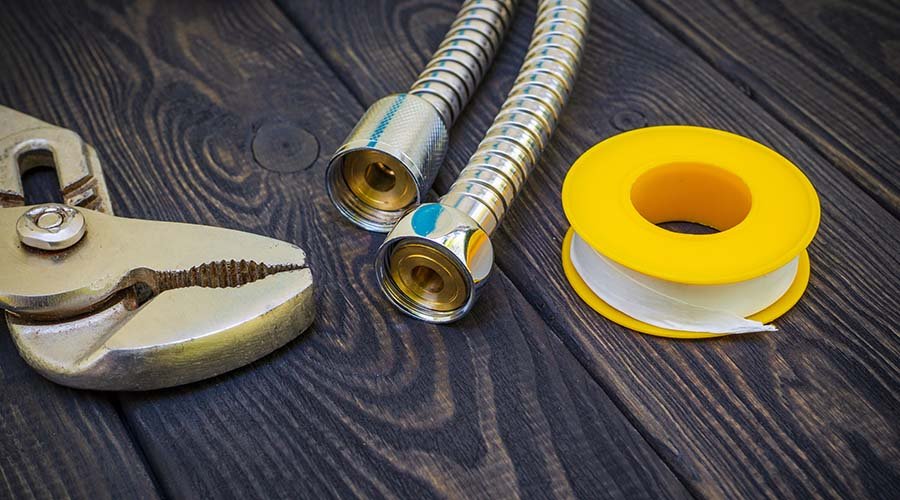
Teflon tape, also called plumber’s tape or PTFE tape, is a thin white sealing tape used on threaded pipe connections.
It is made from polytetrafluoroethylene (PTFE), a slippery and durable material that:
- Fills small gaps between threads
- Prevents water leaks
- Helps fittings tighten smoothly
- Protects threads from damage
It’s one of the cheapest but most useful plumbing tools.
Why Is Teflon Tape Important?
Pipe threads are not perfectly smooth. Tiny gaps exist, and water can slowly leak through them.
Teflon-tape works by:
✔ Sealing those tiny gaps
✔ Creating a watertight connection
✔ Reducing friction when tightening
✔ Making future removal easier
Without it, even tight pipes can drip.
When Should You Use Teflon-Tape?
Use Teflon tape on threaded connections, such as:
Showerheads
Faucet supply lines
Threaded pipe fittings
Water filter connections
Garden hose threads
PVC threaded joints
When NOT to Use It
Do NOT use Teflon-tape on:
Compression fittings
Push-fit fittings
Rubber gasket connections
Flared fittings
These seal on their own.
Using tape there can actually cause leaks.
Step-by-Step: How to Use Teflon-Tape in Plumbing
Step 1: Clean the Threads
Remove:
-
Old tape
-
Dirt
-
Debris
Dry threads seal better.
Step 2: Hold the Pipe Correctly
Face the threaded end toward you.
This helps you wrap in the right direction.
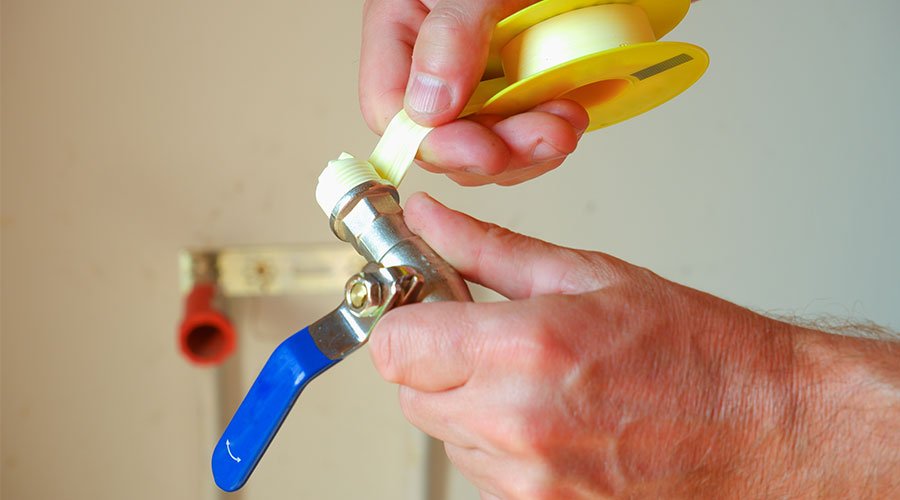
Step 3: Wrap Clockwise (Very Important)
Always wrap in the same direction the fitting tightens — clockwise.
How to wrap:
-
Start on the second thread
-
Wrap 3–5 times
-
Stretch slightly
-
Cover evenly
Wrapping backward makes the tape unravel.
Step 4: Press the Tape
Smooth it into the threads using your fingers.
This improves sealing.
Step 5: Tighten the Fitting
Screw the fitting on firmly.
You should feel:
✔ Smooth turning
✔ Snug fit
✔ No wobbling
Now your seal is ready.

Common Mistakes to Avoid
❌ Wrapping Backward
Causes leaks instantly.
❌ Too Much Tape
Can crack fittings and prevent proper threading.
❌ Tape Over Pipe Opening
Loose tape can enter water flow.
❌ Reusing Tape
Always apply fresh tape.
Pro Plumber Tips
✔ Use 3–5 wraps only
✔ Replace tape every time
✔ Hand-tighten before using a wrench
✔ Store tape clean and dry
✔ Use thicker tape for worn threads
Teflon Tape vs Pipe Dope
Teflon-Tape:
Clean
Easy
Beginner-friendly
Pipe Dope:
Stronger seal
Used for large pipes
Messier
For home plumbing, tape is usually enough.
Signs You Did It Right
✔ No leaks
✔ Smooth tightening
✔ Dry connections
✔ Long-lasting seal
If it leaks, redo it.
Final Thoughts
Teflon-tape may look simple, but it prevents many plumbing problems.
Just remember:
✔ Clean threads
✔ Wrap clockwise
✔ Use the right amount
Follow this and even beginners can get professional results.
Teflon-Tape FAQs
Usually 3–5 wraps are enough for a good seal.
Yes, if the leak is from threaded joints.
Yes, but only on threaded PVC fittings.
Yes, especially for small and medium jobs.
It will loosen when tightening and cause leaks.